

The Missing Link in Couples Therapy: How Schema Therapy Unlocks the Breakthrough Other Models Can’t
The Missing Link in Couples Therapy: How Schema Therapy Unlocks the Breakthrough Other Models Can’t
Travis Atkinson, LCSW, LICSW
You know this couple. They’ve mastered every tool you gave them. They name their attachment wounds mid-conflict, use perfect I-statements, and can map their cycle better than you can. Then Saturday happens. One question about bittermelons in the produce section and suddenly that solid foundation crumbles.
The research tells the same story: EFT’s strongest studies show 30% never improve. Gottman’s five-year findings: 44% of improved couples lose their gains. IBCT: 33% stuck or sliding backward. The pattern isn’t lack of skill. It’s that roughly one-third of couples are driven by schema-based dynamics that attachment-focused and behavioral interventions cannot touch.
These aren’t the withdrawn partners. They’re the overcompensators who deliver contempt so fast you can’t catch it, then weaponize any vulnerability their partner shows. Your EFT softening tries to reach the emotion underneath. But these modes aren’t protecting against abandonment. They’re annihilating vulnerability itself. Gottman advises us to call out contempt. These partners wear it like armor. Traditional approaches assume safety softens defenses. These modes don’t soften. They fortify.
Schema therapy explains why. The attachment injuries you’re repairing aren’t the problem. They’re symptoms. Underneath, unhealed schemas keep generating new wounds because that’s what they were built to do when a small person needed them to survive. The Punitive Parent mode doesn’t criticize once and retire. It criticizes Tuesday, Thursday, and Saturday when things were going well. Pattern interruption won’t touch this. Color-coded cards won’t reach it. You need developmental work that replaces the schemas at their origin.
Learning Objectives
By the end of this presentation, participants will be able to:
1. Identify which couples need schema therapy using Stage 1 assessment frameworks that distinguish typical attachment-driven patterns (generally responsive to EFT/Gottman) from schema-driven dynamics that resist softening, repair, and acceptance interventions.
2. Deploy Stage 2 interventions that create corrective emotional experiences: the Healthy Mode Triad framework, Connection Dialogues that access developmental wounds in real time, chair work adapted for couples, and imagery rescripting protocols that replace early maladaptive schemas, not just manage patterns.
3. Apply Stage 3 strategies that solidify change by systematically feeding new core beliefs while starving old schemas, creating lasting transformation that survives real-world stress, not just behavioral change that collapses when the schema reactivates.
Speaker
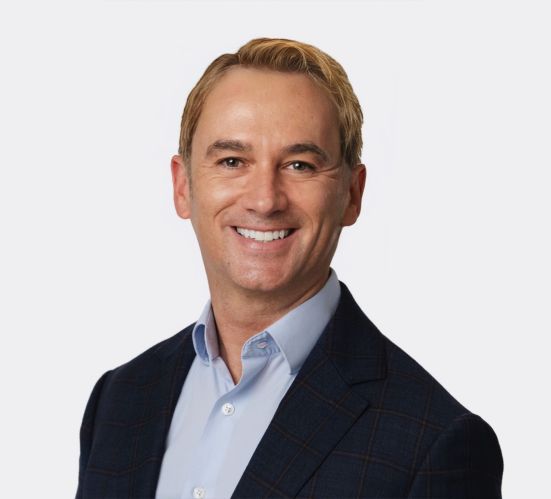 Travis AtkinsonClick for more
Travis Atkinson is a founding member of the International Society of Schema Therapy (ISST) and Honorary Lifetime Member (2020). Beginning his training with Dr. Jeffrey Young in 1994, Travis co-developed Schema Therapy for Couples and has trained therapists internationally for over 25 years. He is an Advanced Certified Schema Therapist, Supervisor, and Trainer; Certified Emotionally Focused Therapist and Supervisor; and Certified Gottman Method Couples Therapist. He founded Loving at Your Best Marriage and Couples Counseling and the Schema Therapy Training Center of New York.
