

The Importance of Attachment Theory in Schema therapy
Many schema therapists find it challenging to work with clients experiencing chronic relationship difficulties. This is often due to significant treatment resistance, much of which is rooted in painful early and adult relational experiences. Importantly, much of this resistance is linked to characterological problems—especially insecure attachment styles. Around 35–40% of the general population have an insecure attachment style, a figure that rises to nearly 80% in clinical populations (Carr et al., 2018). Our own research (Karantzas, Younan, & Pilkington, 2022), drawing from studies of over 3,000 individuals, shows that people with insecure attachment styles are 2–3 times more likely to endorse early maladaptive schemas (EMSs). In this presentation, we draw on models of attachment system dynamics, measures for assessing attachment, and research in the field of adult attachment and early maladaptive schemas to discuss how attachment patterns are associated with EMSs. We extend on this foundational work to provide insights regarding case conceptualisation, assessment, and treatment that can leverage the work of schema therapists, especially when working with clients who experience chronic relationship issues.
Speakers
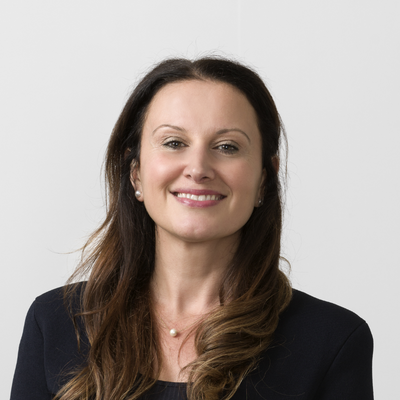 Rita YounanClick for more
Dr Rita Younan is a Clinical Psychologist with extensive experience across inpatient, outpatient, and community mental health settings. She is an Advanced Schema Therapist, Supervisor and Trainer (ISST), an EMDR Consultant-in-Training, and a qualified Psychedelic-Assisted Therapist.
Rita is the Founder and Clinical Director of the Schema Therapy Institute Australia and also serves as Director of Allied Health for national programs at a leading private psychiatric hospital. From 2020 to 2024, she served on the Executive Board of the International Society of Schema Therapy (ISST) as Training Coordinator, where she played a key role in shaping global training standards and led the production of numerous international events, workshops, and conferences.
She has published in the areas of schema therapy, trauma, and attachment, and is known for her work in the development and delivery of innovative, evidence-based psychological programs.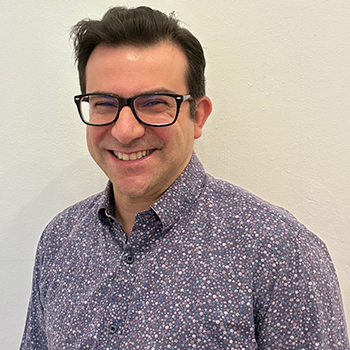 Gery KarantzasClick for more
Gery Karantzas is a Professor in the School of Psychology, the Director of the Science of Adult Relationships (SoAR) Laboratory and Co-Director of the CONNECT Research and Training Initiative within the Centre for Social and Emotional Development (SEED-Lifespan) at Deakin University. He is also a couples therapist certified in Integrative Behavioural Couples Therapy and is the founder of Relationship Science Online. Gery is one of Australia’s leading relationship scientists and has authored over 150 publications, with many of these appearing in top-tier journals. He has been awarded over $6 million for his research from the Australian Research Council, the National Medical Health and Research Council and beyondblue to examine how relationship processes are associated with relational and personal wellbeing. The majority of his work takes an attachment theory perspective and has trained and collaborated with some of the world’s and Australia’s leading attachment researchers including Professors Phillip Shaver (University of California, Davis), Jeffry Simpson (University of Minnesota), and Professors Pat Noller and Judith Feeney (University of Queensland). He and colleagues Professor Omri Gillath (University of Kansas) and R. Chris Fraley (University of Illinois, Urbana-Champaign) wrote the widely disseminated book Adult Attachment: A Concise Guide into Theory and Research (2016, Academic Press). In recent years, Gery has embarked on basic and applied research into Schema Therapy from an attachment informed perspective. Gery has written numerous pieces for the Conversation and Psychology Today totalling over 4 million reads and is frequently contacted by the media to discuss all matters associated with science of relationships.

