

Parts of Self in Schema Therapy and Internal Family Systems: What is the Difference?
Join us for an focused presentation on Schema Therapy and Internal Family Systems—two innovative psychotherapeutic approaches that highlight the multiplicity of self You’ll gain valuable insights into the theoretical foundations of each model, and understand their similarities and differences. Schema Therapy focuses on “modes,” momentary emotional states and coping responses, while IFS conceptualizes the mind as comprising subpersonalities, each possessing distinct functions and characteristics. Both models guide practitioners in examining clients’ internal dynamics, cultivating self-awareness, compassion, and psychological healing by directly addressing these modes or parts. On the surface, both models have the concept of “parts” but their similarity ends there. Schema therapy has a robust theoretical model to explain how psychological problems develop and how change occurs. Schema Therapy also has a solid evidence base from randomized controlled trials with mental health patients. Despite the popularity of IFS, the model lacks evidence for its efficacy with mental health conditions.
The presenters, Joan Farrell, Ph.D. and Sara Trace, Ph.D., will discuss how each method addresses complex cases—including borderline personality disorder (BPD) and eating disorders—by outlining specific strategies and contributions to therapeutic practice. Joan is an experienced schema therapist and BPD specialist and Sara trained in both IFS and ST and is an expert in treating eating disorders. Participants will gain a deeper understanding of how each framework conceptualizes the “parts” of self, how to utilize the concepts in their practice and will take away clinical strategies to foster meaningful change.
Learning Objectives:
1. Participants will be able to utilize the concept of “parts of self” to better understand their clients.
2. Participants will be able to use “mode” interventions to bring about client change.
Speakers
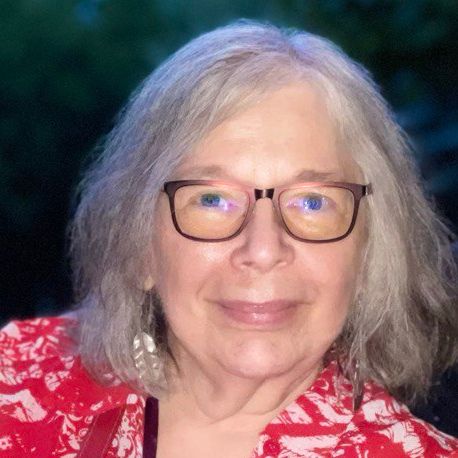 Joan FarrellClick for more
Dr. Joan Farrell, PhD, is a clinical psychologist, researcher, and trainer, widely recognized for her pioneering contributions to Group Schema Therapy (GST). She co-developed the GST model alongside Ida Shaw, and their collaborative work has significantly expanded the accessibility and effectiveness of Schema Therapy, especially for complex and treatment-resistant conditions.
Joan served as Research Director for the Center for Borderline Personality Disorder Treatment and Research at Indiana University–Purdue University Indianapolis and as a clinical professor at the Indiana University School of Medicine for 25 years. She has led or contributed to numerous randomized controlled trials supporting the efficacy of Schema Therapy. Her research has helped establish Schema Therapy as an evidence-based treatment for borderline personality disorder and other complex mental health conditions.
A founding member and certified supervisor/trainer in individual and group ST with the International Society of Schema Therapy (ISST), Joan has played a crucial role in global training initiatives, particularly in training therapists to deliver Schema Therapy in group formats. She is co-director of the Schema Therapy Institute – Cleveland and served as Training & Certification Coordinator on the ISST Executive Board 2012-2018. She has written four books on ST: Group Schema Therapy for Borderline Personality Disorder: A Step-by-Step Treatment Manual, The Schema Therapy Clinician’s Guide, Experiencing ST from the Inside Out: A Self-Practice-Self-Reflection Workbook for Therapists, and The Deliberate Practice of Schema Therapy, which are widely used in clinical settings and training programs.
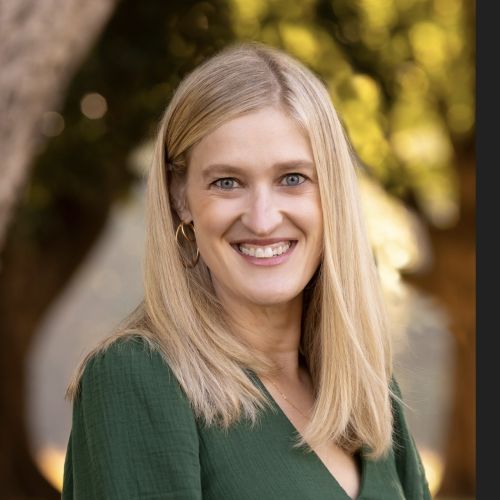 Sara TraceClick for more
Join us for an focused presentation on Schema Therapy and Internal Family Systems—two innovative psychotherapeutic approaches that highlight the multiplicity of self You’ll gain valuable insights into the theoretical foundations of each model, and understand their similarities and differences. Schema Therapy focuses on “modes,” momentary emotional states and coping responses, while IFS conceptualizes the mind as comprising subpersonalities, each possessing distinct functions and characteristics. Both models guide practitioners in examining clients’ internal dynamics, cultivating self-awareness, compassion, and psychological healing by directly addressing these modes or parts. On the surface, both models have the concept of “parts” but their similarity ends there. Schema therapy has a robust theoretical model to explain how psychological problems develop and how change occurs. Schema Therapy also has a solid evidence base from randomized controlled trials with mental health patients. Despite the popularity of IFS, the model lacks evidence for its efficacy with mental health conditions.
The presenters, Joan Farrell, Ph.D. and Sara Trace, Ph.D., will discuss how each method addresses complex cases—including borderline personality disorder (BPD) and eating disorders—by outlining specific strategies and contributions to therapeutic practice. Joan is an experienced schema therapist and BPD specialist and Sara trained in both IFS and ST and is an expert in treating eating disorders. Participants will gain a deeper understanding of how each framework conceptualizes the “parts” of self, how to utilize the concepts in their practice and will take away clinical strategies to foster meaningful change.Learning Objectives:
1. Participants will be able to utilize the concept of “parts of self” to better understand their clients.
2. Participants will be able to use “mode” interventions to bring about client change.

